Joe Kent Resigns: A Significant Step in the Trump Administration’s Foreign Policy
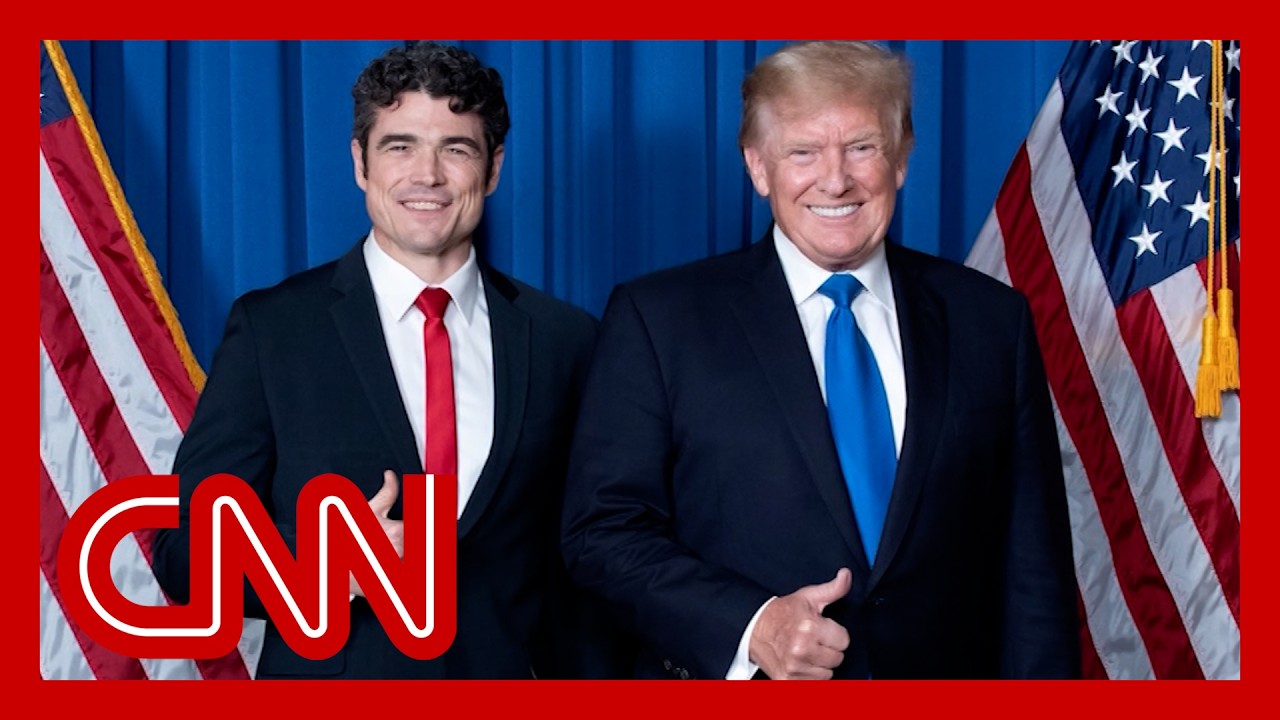
In a startling announcement reverberating through political and security circles, Joe Kent, the director of the National Counterterrorism Center, has submitted his resignation. This decision, rooted in deep personal convictions, raises significant questions about the Trump administration’s trajectory regarding foreign policy, particularly concerning the ongoing military actions against Iran.
In a resignation letter that has garnered considerable attention, Kent expressed profound discontent with the administration’s escalating military efforts. He explicitly stated, “I cannot in good conscience support the ongoing war in Iran. Iran posed no imminent threat to our nation.” Kent typifies a voice of dissent from within a government figure often considered aligned with Trump’s administration, thereby complicating the narrative around the administration’s justification for military action.
Highlighting his credentials, Kent underscored his unique perspective as a Gold Star husband—having lost his wife in combat—and as someone who served overseas multiple times. His experiences shape a critical lens through which he views the consequences of war. “I cannot support sending the next generation off to fight and die in a war that serves no benefit to the American people,” he asserted. This statement reveals a personal resolve reflected in his military history, contrasting starkly with the political motivations often underpinning decisions of such magnitude.
Kent’s resignation underscores deeper issues regarding the administration’s justification for military involvement in Iran. He argues that the idea of an "imminent threat," frequently cited by Trump and his inner circle, was “manufactured.” This declaration poses a challenge to the prevailing narratives used to justify the administration’s militaristic strategy, thereby complicating the dynamics between diplomatic and military approaches.
Additionally, the letter hints at external influences, particularly from Israel and its lobbying entities, that Kent believes have improperly shaped U.S. foreign policy. He emphasized the perception that the war is not only a decision of American interest but one heavily influenced by foreign entities. This perspective is particularly concerning, as it frames the military actions against Iran not as a direct response to threats, but rather as a geopolitical maneuver shaped by external interests.
Moreover, Kent’s resignation may signal a ripple effect within the Trump administration. As dissent emerges from influential figures in the MAGA movement—traditionally seen as staunch supporters of Trump’s policies—questions arise about the potential for further resignations and discontent among those who feel similarly misaligned with the current policies.
One notable aspect of Kent’s resignation is its timing. The escalation of the conflict has already led to significant U.S. casualties, including the deaths and injuries of American service members. Kent’s words echo a growing unease about the human cost of military interventions and the broader implications for U.S. foreign policy. As he articulated, these losses challenge the fundamental justification for war: whether such actions genuinely serve the best interests of the American populace.
The reactions to Kent’s resignation also paint a complex picture. While some align with Kent’s concerns over the military engagement, others within Trump’s circle have attempted to undermine his credibility by branding him an "ego maniac." This dismissal highlights the difficulties politicians face when opposing the establishment’s narratives, particularly in a climate characterized by partisan divisions and heightened rhetoric.
The implications of Kent’s departure extend beyond individual agency; it underlines the tension within the administration regarding military intervention. As voices like Kent’s grow louder, the Trump administration may be forced to reassess its strategy towards Iran and other foreign engagements.
In conclusion, Joe Kent’s resignation serves as a critical inflection point. It embodies the clash between political ideology and moral conviction. As this situation unfolds, the potential for additional resignations looms large, and the administration must grapple with the ramifications of its foreign policy choices against a backdrop of mounting dissent—a situation that could ultimately reshape the discussions surrounding U.S. military engagements in the years to come.